

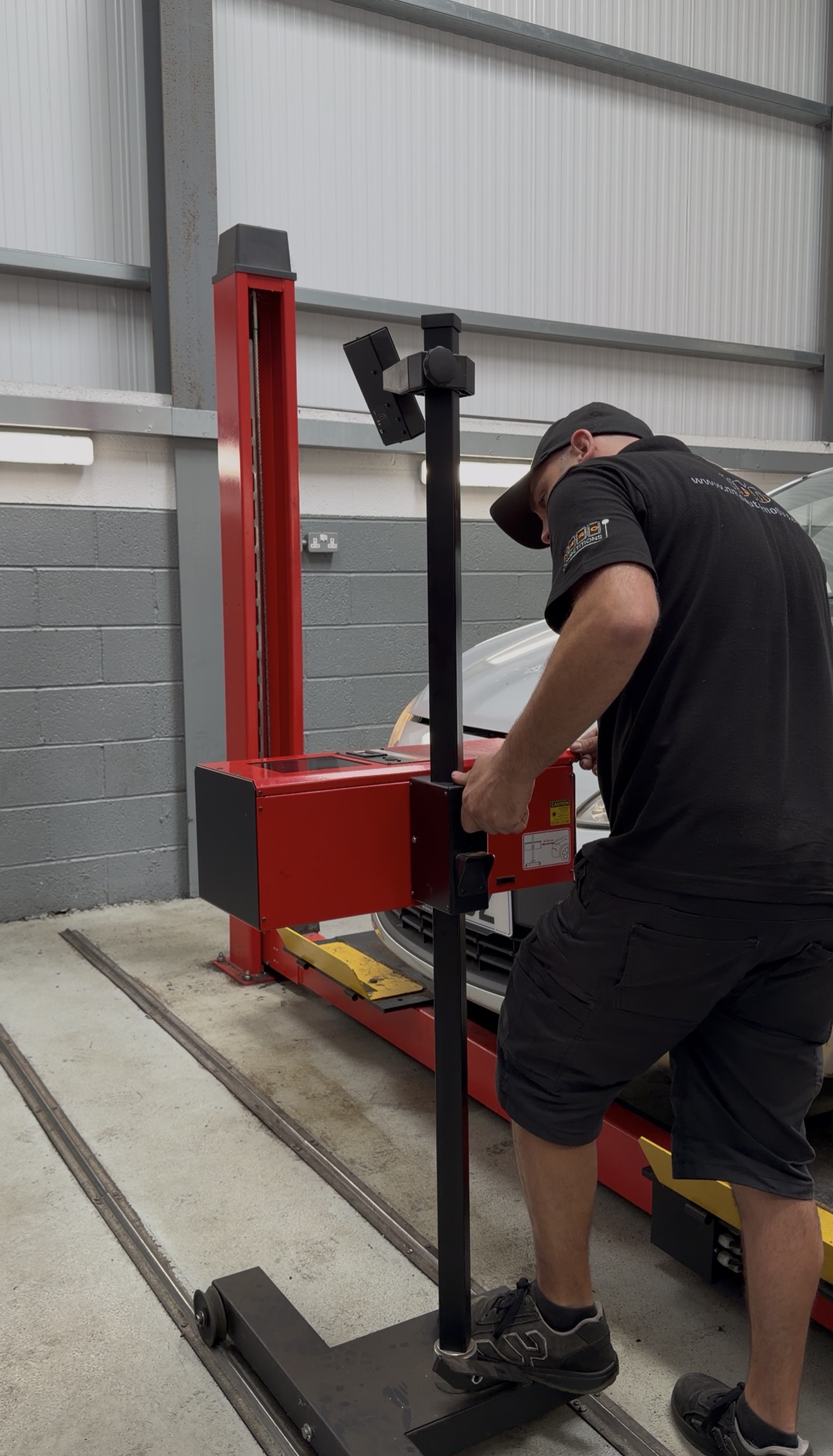
MOT Testing in Whitstable & Canterbury
DVSA-approved MOT testing for cars and vans. Class 4 from £45, Class 7 from £58. No hidden extras, honest advice on any work needed, and we won’t push repairs you don’t need.
Straightforward MOT testing from a garage you can trust
An MOT is a legal requirement, but it doesn’t need to be a stressful experience. At NMD, we test your vehicle to the DVSA standard, tell you clearly what’s passed and what hasn’t, and give you honest advice on anything that needs attention — without pressure to have it done on the spot.
If your vehicle fails, we’ll walk you through every failure point and advisory, explain what’s urgent and what can wait, and quote for any repairs before we touch anything. If it passes, you’re on your way. No drama either way.
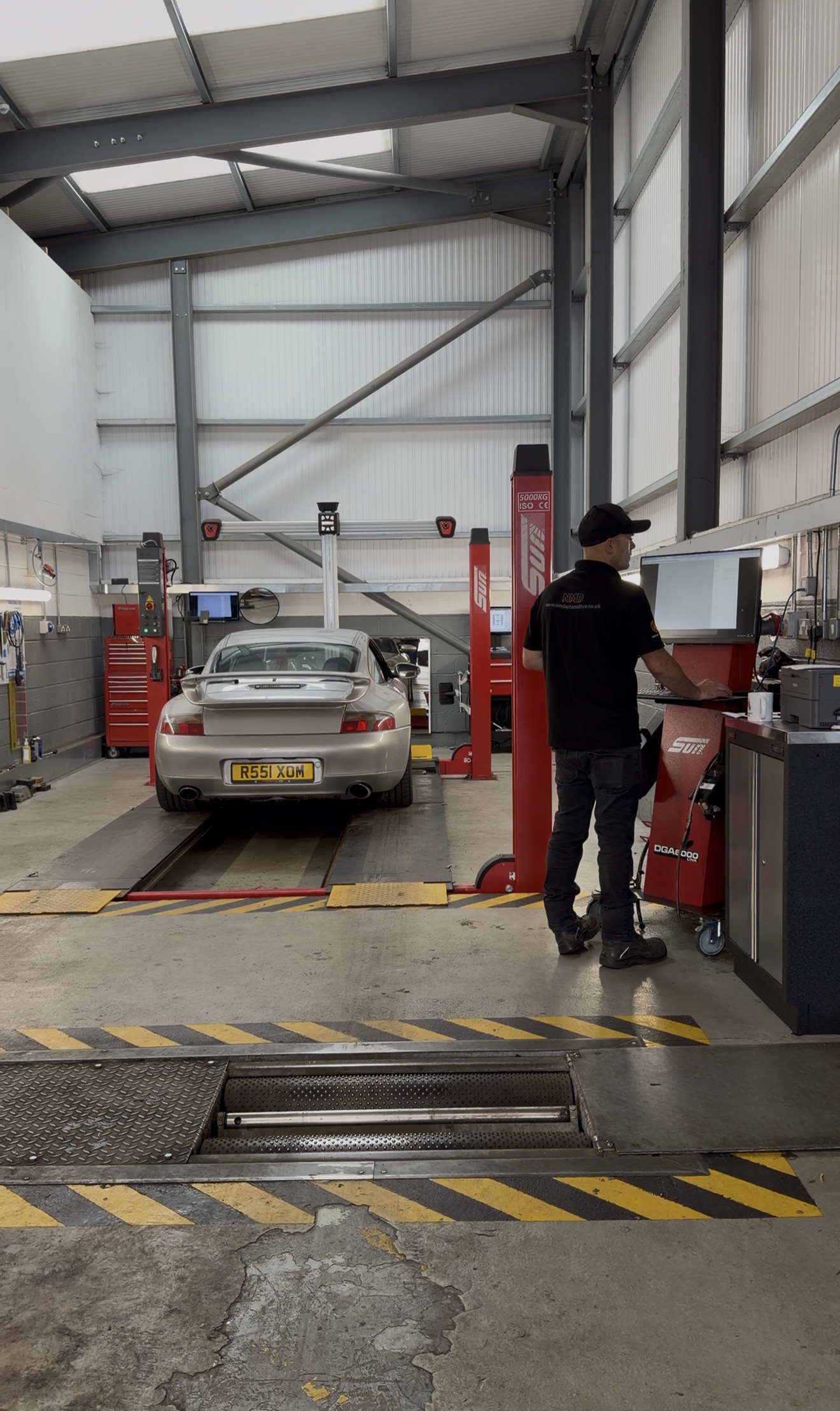
We carry out Class 4 MOTs (cars and light vehicles up to 3,000kg) and Class 7 MOTs (vans and light commercial vehicles between 3,000kg and 3,500kg). Both are tested on our dedicated MOT ramp by DVSA-approved testers.
MOT pricing
What’s checked during an MOT?
An MOT covers a comprehensive list of safety and environmental checks. Here are the main areas our testers inspect.
Lights and electrics
All exterior lights, headlight aim, indicators, hazards, horn and dashboard warning lights. This is the single most common area for MOT defects — accounting for around 27% of all failures.
Brakes
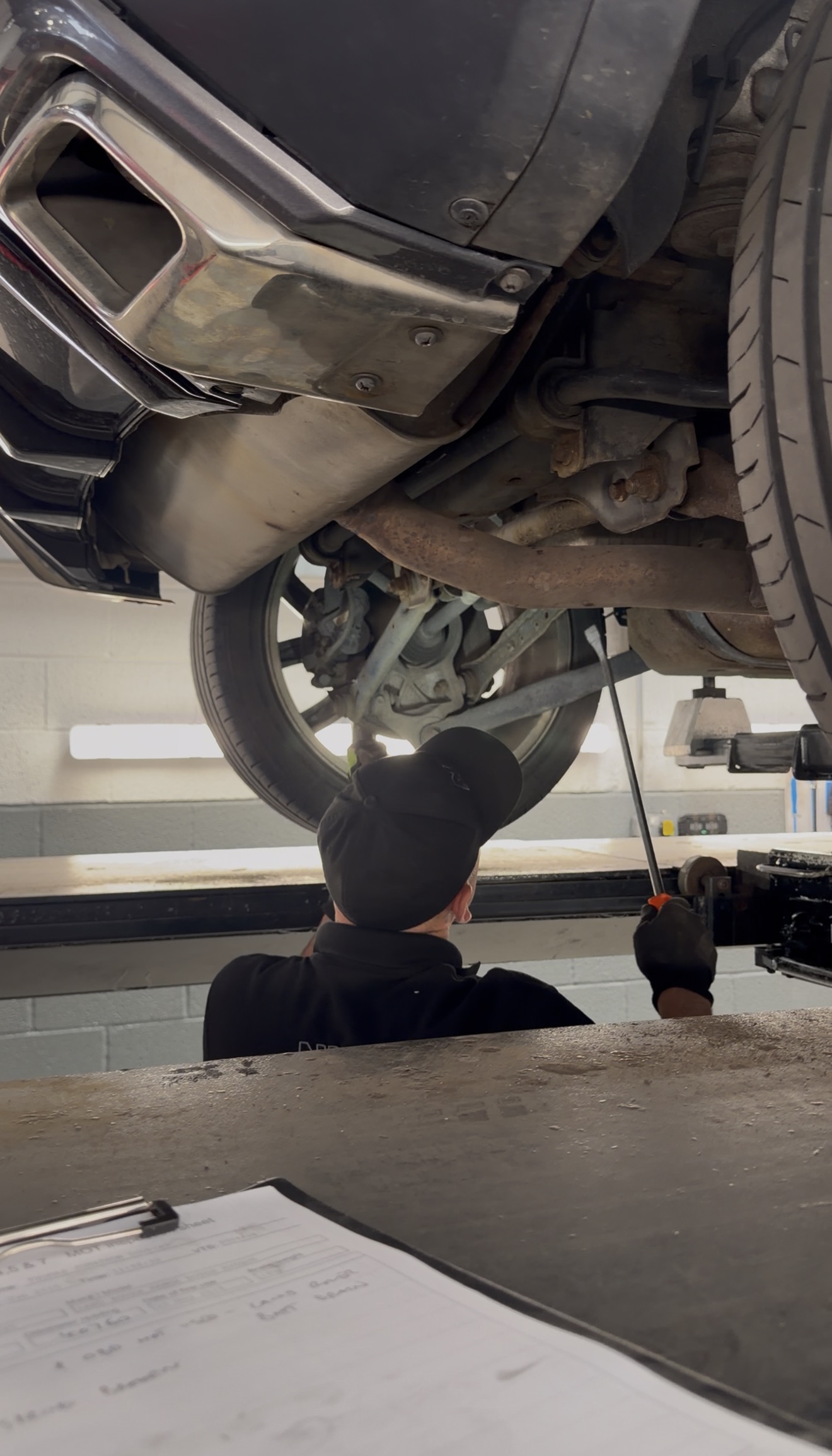
Brake performance, balance, pedal feel, condition of discs, pads and lines. Handbrake operation and efficiency. Brakes account for roughly 17% of all MOT failures.
Suspension and steering
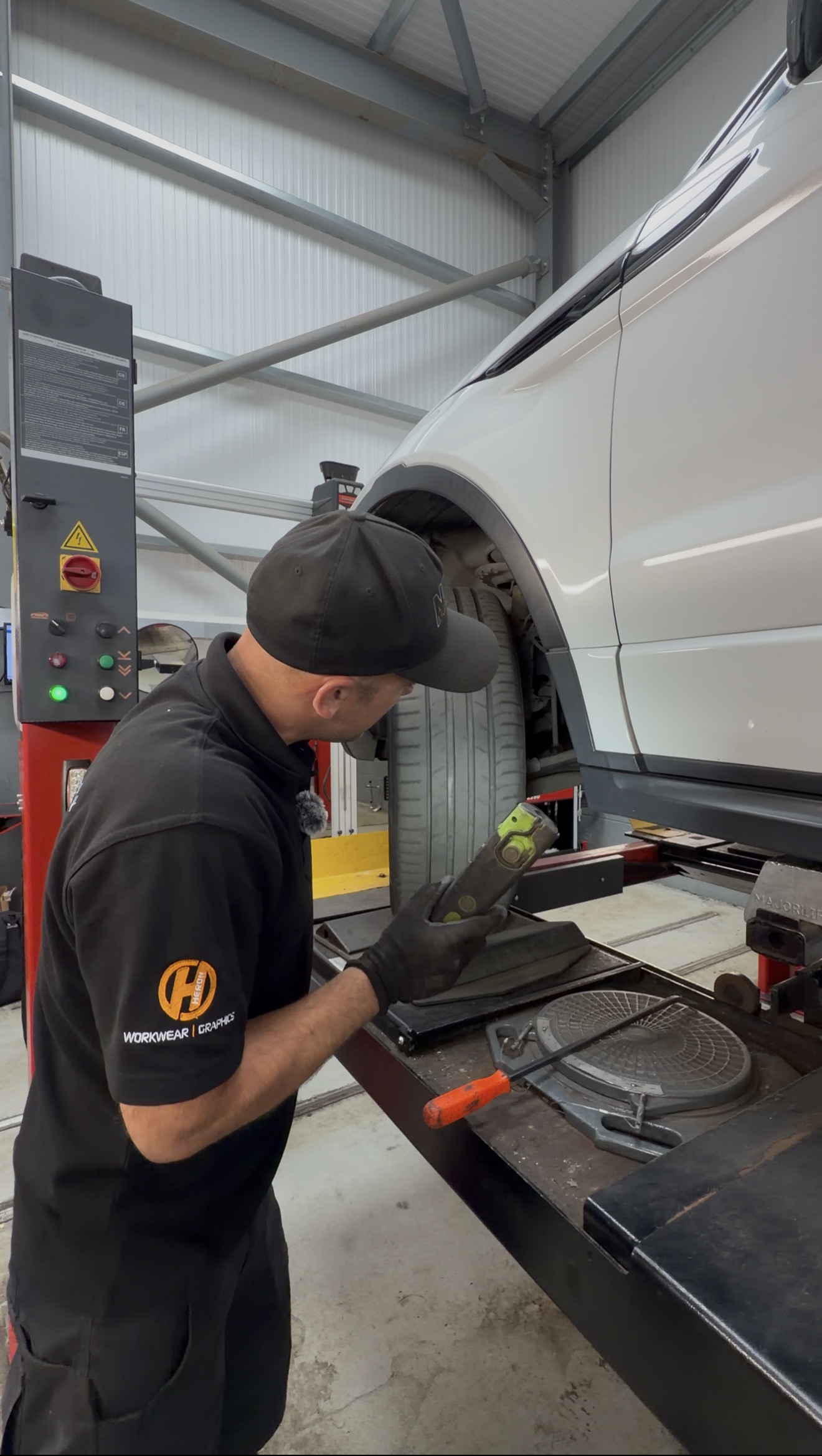
Shock absorbers, springs, bushes, ball joints, track rod ends, wheel bearings, power steering. Suspension issues make up around 19% of failures.
Tyres and wheels
Tread depth (minimum 1.6mm), tyre condition, correct size and rating, wheel security and condition. Checked on all four wheels including the spare where visible.
Bodywork and structure
Corrosion in structural areas, sharp edges, security of body panels, bonnet catch, doors and mirrors. Rust in the wrong place can be a straight failure.
Emissions
Exhaust emissions tested against the standard for your vehicle’s age and fuel type. Diesel particulate filter presence and condition checked on applicable vehicles.
Windscreen and wipers
Windscreen condition and damage in the swept area, wiper blade condition and operation, washer fluid operation. A chip in the wrong zone is a failure.
Seatbelts and seats
Condition and operation of all fitted seatbelts, seat security and adjustment, headrests. Make sure nothing is blocking access to belts when you bring the vehicle in.
Exhaust system
Condition, security, leaks, noise level, catalytic converter presence and condition. Blowing exhausts and damaged cats are common failure points.
What happens if your vehicle fails?
A failure isn’t the end of the world — it just means something needs fixing before the vehicle can legally be on the road. Here’s how we handle it.
We explain everything clearly
Our tester walks you through every failure point and advisory item. No jargon, no vague descriptions — we’ll show you the problem where possible and explain what it means in plain language.
We quote before we touch anything
If you’d like us to carry out the repairs, we’ll give you a clear quote before starting any work. No surprises on the bill. If the repair is something you’d rather take elsewhere, that’s completely fine — no pressure.
Free retest within 10 working days
If we carry out the repair work, the retest is free when the vehicle is retested at our garage within 10 working days. If you have the work done elsewhere, a partial retest fee applies as per DVSA guidelines.
Dangerous vs major vs minor
MOT defects are graded. A dangerous fault means the vehicle cannot be driven at all. A major fault means it fails but can be driven to a pre-booked repair. A minor defect is noted but doesn’t cause a failure — though it may become one if left. We’ll make sure you know which is which.
Simple things you can check before your MOT
These won’t guarantee a pass, but they’ll avoid the most common easy-fix failures that catch people out.
Lights
Walk around the vehicle and check every bulb — headlights (dip and main beam), tail lights, brake lights, indicators, fog lights, number plate lights. A blown bulb is one of the most common MOT failures and costs almost nothing to fix beforehand.
Windscreen wipers and washers
Make sure the wipers clear the screen properly without smearing, and that the washer fluid reservoir is topped up and the jets spray onto the windscreen. This is a surprisingly common failure.
Tyres
Check tread depth across the full width — the legal minimum is 1.6mm. Also look for damage, bulges, cracking and correct pressures. Tyres must be the correct size and rating for the vehicle.
Dashboard warning lights
An illuminated engine management light, ABS light, or airbag light will fail the MOT. If you have a warning light showing, it’s worth having it diagnosed before the test.
Clear the clutter
Our testers need access to seatbelts, the handbrake, and under the bonnet. Remove any bags, boxes or clutter that might block access to testable items.
When is your MOT due?
New vehicles are exempt from MOT testing for the first three years after registration. After that, an MOT is required every 12 months.
You can check your exact MOT due date on the DVLA vehicle enquiry service — just enter your registration number.
Book up to a month early
You can have your MOT done up to one calendar month (minus a day) before the expiry date without losing any time on your renewal. So if your MOT expires on the 15th of October, you can test from the 16th of September and your new certificate will still run to the 15th of October next year.
Check your MOT history
You can view the full MOT history of any vehicle — including previous advisories, failures and recorded mileage — on the GOV.UK MOT history checker. This is also a useful tool when you’re thinking about buying a used vehicle.
Combine your MOT with a service
Since the vehicle is already with us, it makes sense to have your annual service done at the same time. We can carry out an interim, full or major service alongside the MOT — one drop-off, one collection, everything done in a single visit.
If the MOT picks up anything that needs attention — worn brakes, a tyre close to the limit, a suspension bush on its way out — we can often address it there and then rather than you having to book a second appointment.
We also carry out 4-wheel alignment, tyre replacement, brake work, diagnostics and any other repair or maintenance work your vehicle needs. Just let us know when you book.
Common questions about MOT testing
How much does an MOT cost at NMD?
How long does an MOT take?
Can I wait while my MOT is done?
When is my MOT due?
How early can I book my MOT?
What if my vehicle fails?
Do you do Class 7 MOTs?
Can I book a service at the same time as my MOT?
What are the most common reasons for MOT failure?
Related services
We carry out MOT testing for customers across East Kent, including Whitstable, Canterbury, Herne Bay, Faversham, Tankerton, Seasalter, Blean, Sturry, Chartham, Hernhill, Boughton and surrounding areas.