

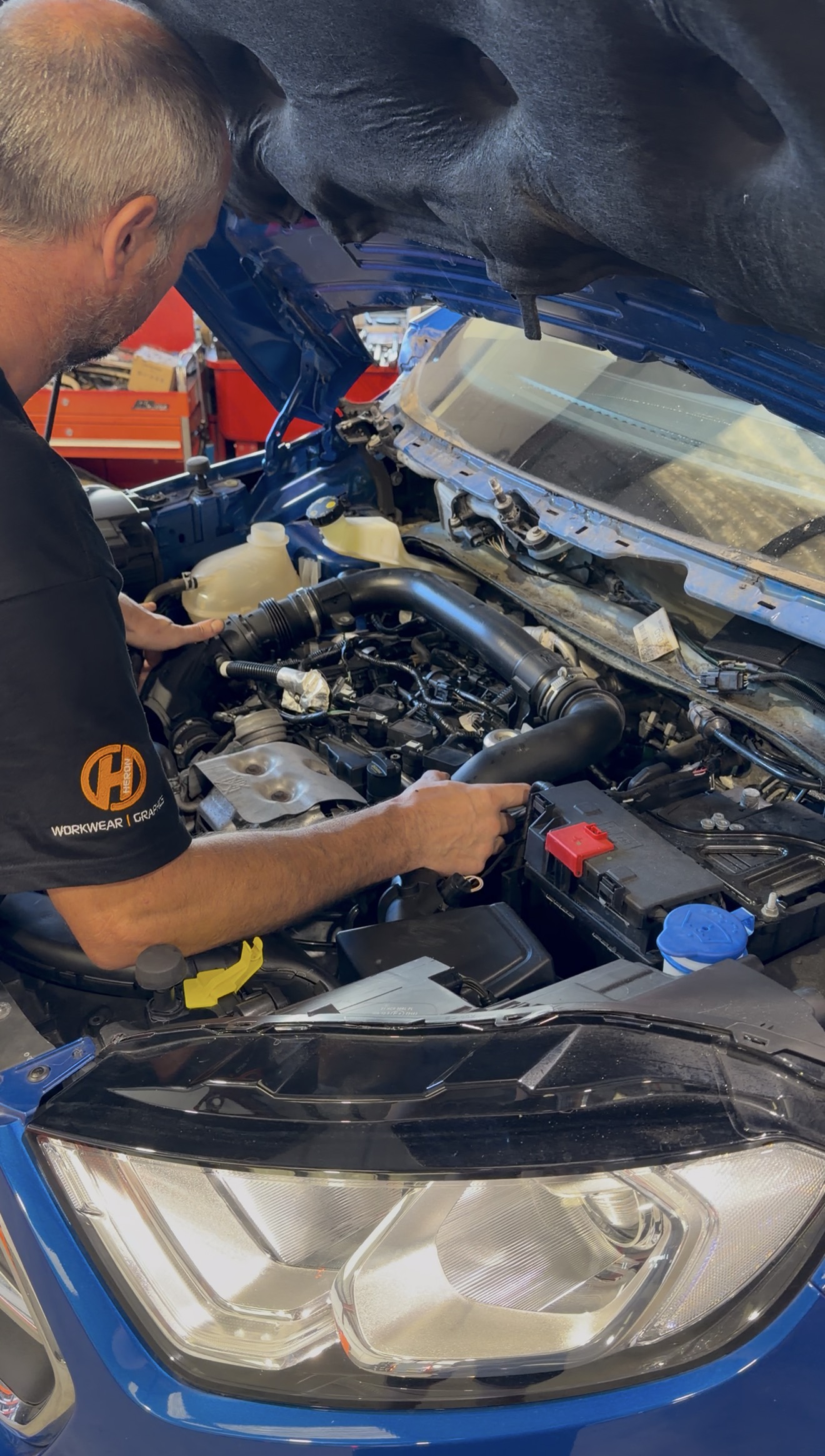
PureTech Wet Belt Replacement
The 1.2 PureTech engine has become one of the most widely reported wet belt failures in the UK. If you own a Peugeot, Citroën, Vauxhall or DS with this engine, preventative replacement is the only way to avoid a destroyed engine.
Which vehicles does this cover?
The 1.2-litre PureTech three-cylinder turbocharged engine has been fitted across the entire PSA/Stellantis range since around 2014. It won multiple “Engine of the Year” awards — and then became one of the most common reasons for engine replacement in the UK. If your vehicle is listed below, this service applies.
Peugeot — 208, 2008, 308, 3008, 5008 (1.2 PureTech)
Citroën — C3, C3 Aircross, C4, C4 Cactus, C5 Aircross (1.2 PureTech)
Vauxhall — Corsa F, Crossland, Mokka, Grandland, Astra (1.2 Turbo — same engine, different badge)
DS — DS 3, DS 4, DS 7 Crossback (1.2 PureTech)
Not sure if your vehicle has the PureTech engine? Call us on 01227 794 777 with your registration and we’ll confirm immediately.
Why the PureTech wet belt fails
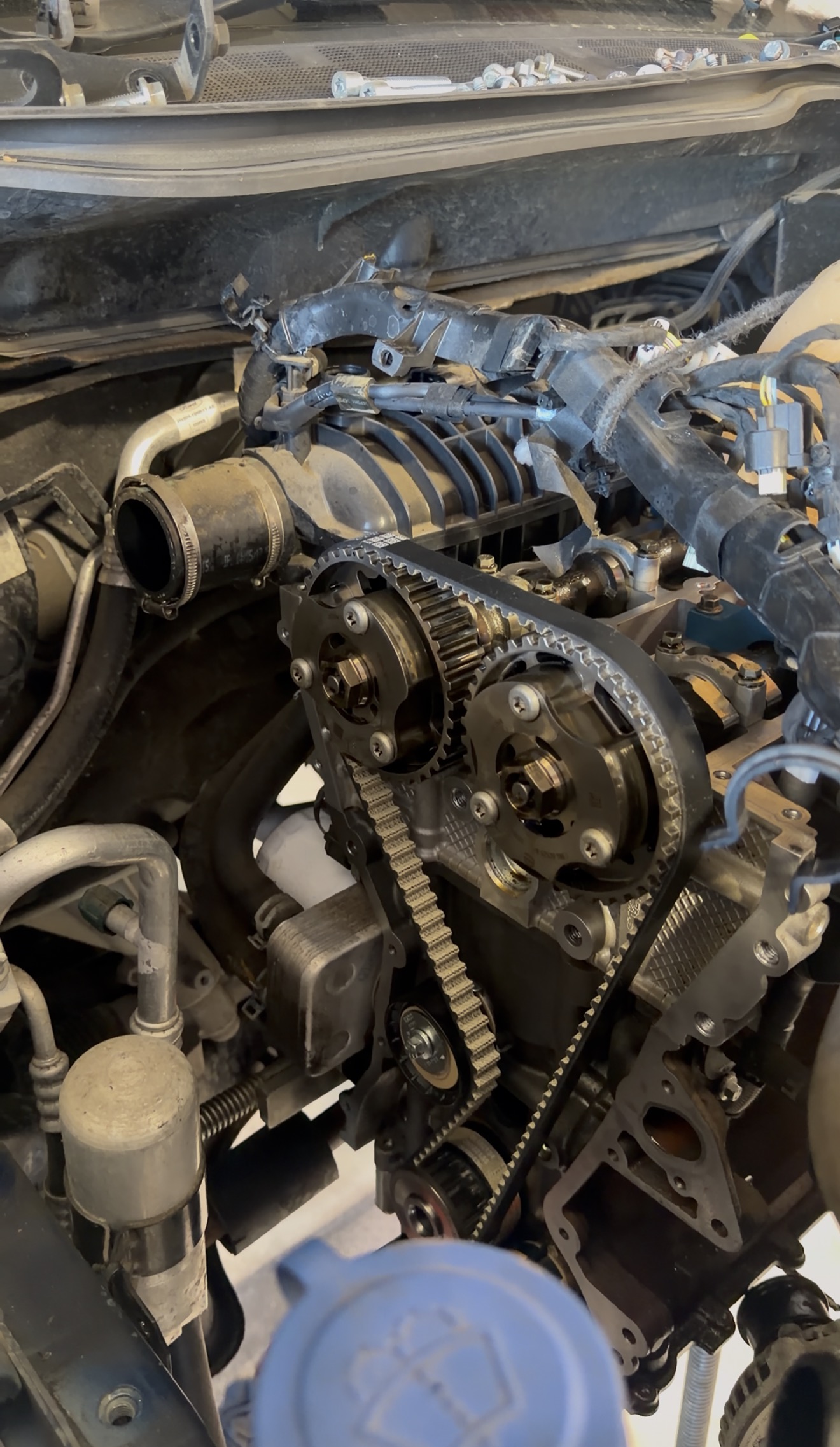
The PureTech’s timing belt runs inside the engine, immersed in oil — the same wet belt design used on the Ford EcoBoost, but with a different failure profile that has generated significant attention from owners, the press, and consumer groups.
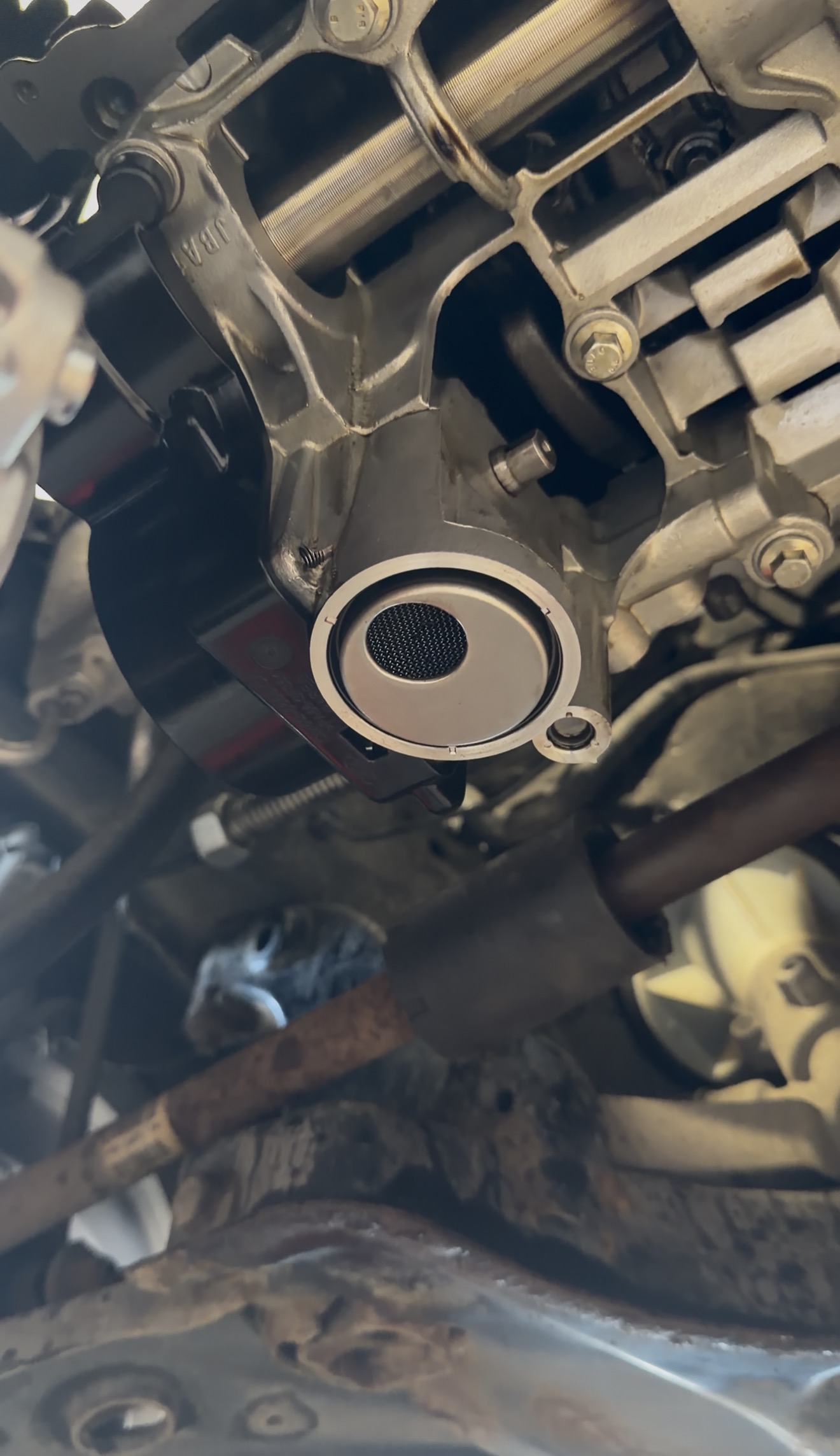
On affected vehicles, the belt material degrades over time, particularly with infrequent oil changes or incorrect oil specification. As the belt breaks down, fragments circulate through the oil system and accumulate on the oil pump pickup strainer — restricting oil flow and starving the engine of lubrication.
PSA/Stellantis have faced considerable scrutiny over PureTech belt durability. Some owners have experienced failures well below the manufacturer’s recommended replacement interval, particularly on vehicles used predominantly for short journeys and urban driving.
The critical message is the same as every wet belt: failure is often sudden, the engine damage is catastrophic, and the cost of replacement after failure dwarfs the cost of preventative replacement. If you own a PureTech-engined vehicle and aren’t certain of the belt’s history, we’d strongly recommend having it inspected — regardless of whether you’ve noticed symptoms.
Warning signs on PureTech engines
The symptoms mirror other wet belt applications, but PureTech owners should be especially vigilant given the documented failure history of this engine.
Engine management light
Persistent or intermittent. Can indicate timing drift caused by a stretching or slipping belt.
Rattling on start-up
A brief rattle or slapping noise from the front of the engine, most noticeable when cold. Often dismissed as “normal” — it isn’t.
Oil pressure warning
Belt debris blocking the oil pump pickup reduces oil pressure. This is a serious, act-now warning.
Rough idle or misfiring
Timing drift from a worn belt causes rough running, hesitation and misfire codes.
Poor fuel economy
Timing that’s slightly out affects combustion efficiency. You may notice increased fuel consumption before other symptoms appear.
No warning at all
The most common scenario. Many PureTech failures happen without any prior symptoms. Don’t wait for one.
What’s included in a PureTech wet belt replacement
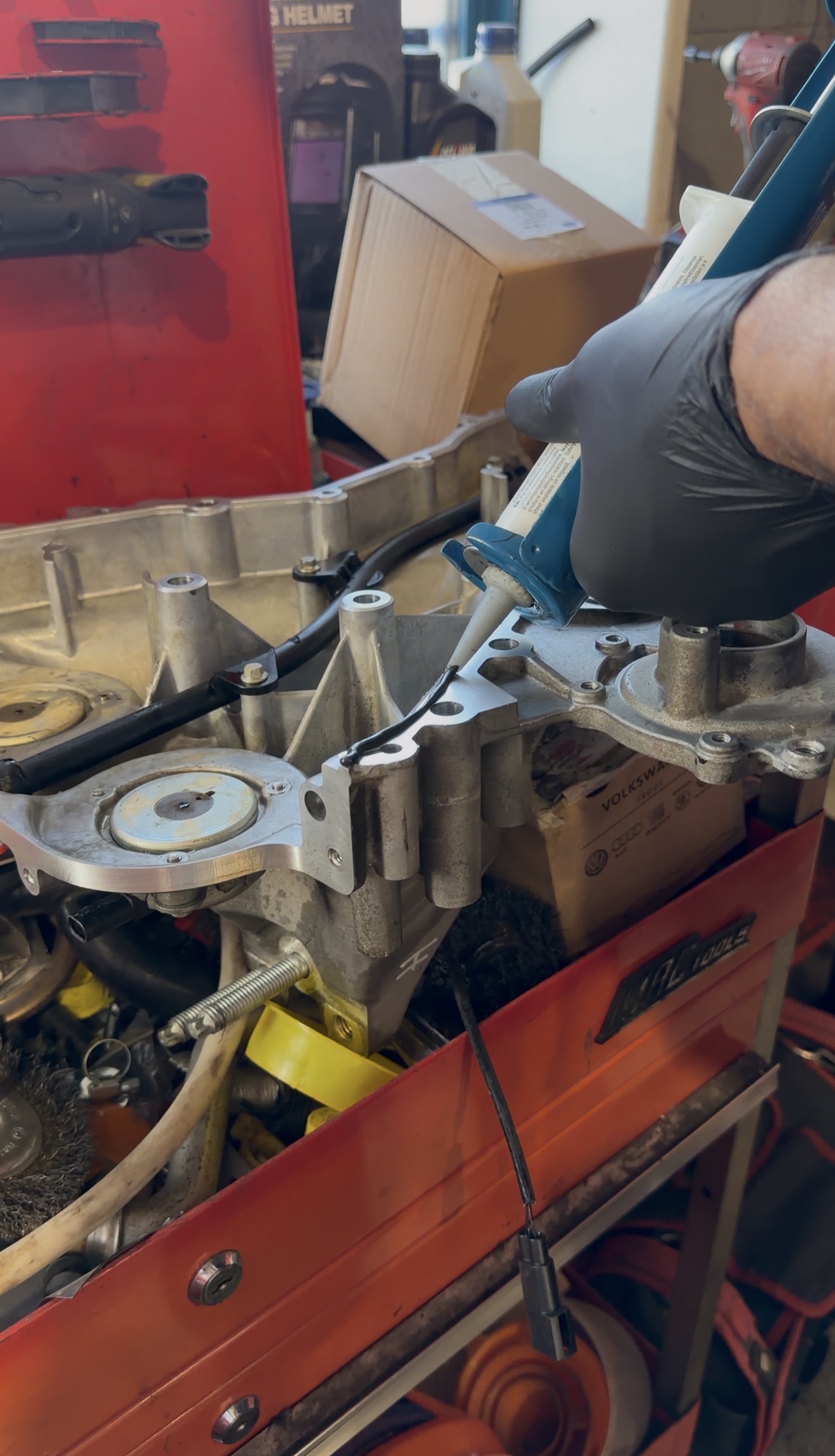
The PureTech requires a particularly thorough approach because of how quickly the belt material can contaminate the oil system. Every job includes:
✓ Quality wet timing belt kit (belt, tensioner, pulleys/idlers)
✓ Water pump replacement where applicable
✓ Sump removed and thoroughly cleaned
✓ Oil pickup and strainer removed, inspected and cleaned
✓ VVT solenoid inspected and cleaned
✓ Vacuum pump inspected
✓ Correct manufacturer-specification engine oil
✓ New oil filter
✓ All required seals and gaskets
✓ Engine timing set and verified
✓ Road test and diagnostic check
✓ Before-and-after photographs of belt condition
When should you replace the PureTech wet belt?
Stellantis have revised their service guidance on PureTech belts more than once. The official interval has been shortened from the original specification, and some owners have experienced failures even within the revised interval.
Our recommendation: if your PureTech has done more than 40,000–50,000 miles and the belt hasn’t been replaced, it’s time to have it checked. If the service history is incomplete or you’re not confident the correct oil has always been used, lower your threshold further.
We’d rather inspect a belt and tell you it’s fine than have you drive in on a recovery truck with a destroyed engine. The inspection itself is straightforward — and if the belt is in good condition, you’ve bought yourself peace of mind for very little cost.
PureTech wet belt questions
How much does PureTech wet belt replacement cost?
Is there a recall on PureTech wet belts?
My PureTech is low mileage — am I still at risk?
Does my Vauxhall Corsa have a PureTech engine?
How long does the replacement take?
Can I take my car to the Peugeot/Citroën/Vauxhall dealer instead?
Other wet belt services
We carry out PureTech wet belt replacements for customers across East Kent, including Whitstable, Canterbury, Herne Bay, Faversham, Tankerton, Seasalter, Blean, Sturry, Chartham, Hernhill, Boughton and surrounding areas.